
The Rising Tensions: Analyzing the Iran vs USA and Israel Conflict
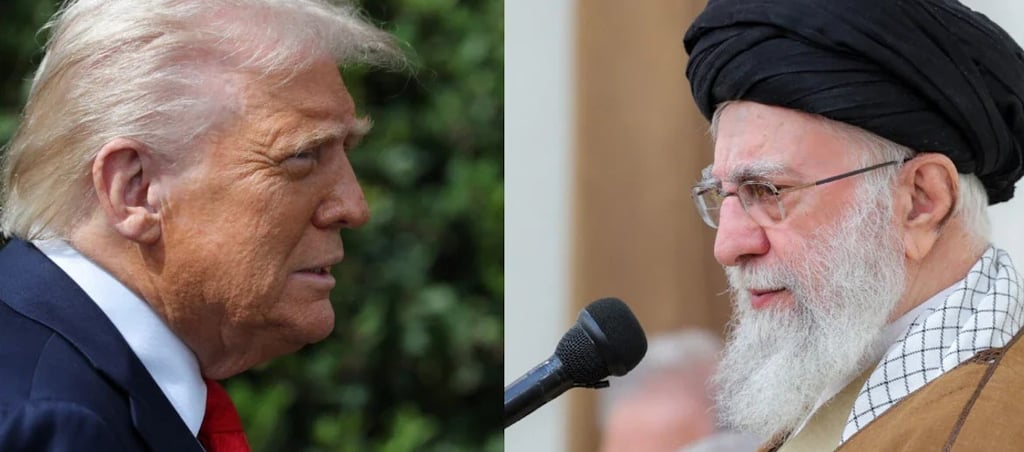
Historical Context of Iran and USA Relations
The relationship between Iran and the United States has undergone significant changes since the early 20th century, marked by key historical events that have shaped their current antagonism. One of the most pivotal moments occurred in 1953, when a CIA-backed coup deposed Iran's democratically elected Prime Minister, Mohammad Mossadegh. This operation, known as Operation Ajax, was instigated due to Mossadegh's nationalization of the oil industry, which threatened Western economic interests. Following the coup, the United States supported the Shah of Iran, Mohammad Reza Pahlavi, who ruled with an iron fist, leading to widespread resentment among the Iranian populace.
The discontent culminated in the 1979 Islamic Revolution, which resulted in the overthrow of the Shah and the establishment of an Islamic Republic under Ayatollah Khomeini. This event drastically altered Iran's stance towards the United States, which it now regarded as a key adversary. The subsequent hostage crisis, where 52 American diplomats and citizens were held captive for 444 days, further cemented the animosity between the two nations. The United States imposed economic sanctions on Iran, which laid the groundwork for decades of mistrust and conflict.
In the years that followed, U.S. policies aimed at containing Iran, including support for Iraq during the Iran-Iraq War, further exacerbated tensions. The 2000s saw the U.S. government accusing Iran of developing nuclear weapons capabilities, which led to a series of negotiations and agreements, most notably the Joint Comprehensive Plan of Action (JCPOA) in 2015. However, the U.S. withdrawal from the agreement in 2018 escalated hostilities anew, culminating in a volatile environment in the region. These historical contexts underline the complex and fraught nature of Iran-U.S. relations, setting the stage for ongoing conflicts and diplomatic challenges.
Military Power: USA's Global Influence
The United States military stands as a formidable force within the global arena, characterized by its advanced technology, substantial budget, and extensive strategic alliances. The structure of the U.S. Armed Forces includes five primary branches: the Army, Navy, Air Force, Marine Corps, and Coast Guard, each contributing to a comprehensive defense strategy. This multi-faceted structure allows America to maintain an adaptable and responsive military capable of addressing diverse threats worldwide.
Technological advancements enhance the U.S. military's effectiveness, enabling it to deploy sophisticated weapons systems and intelligence capabilities. Innovations, such as stealth aircraft, unmanned aerial vehicles, and cyber warfare techniques, redefine conventional military engagement, granting the United States a strategic edge. The significant annual budget allocation for defense, exceeding $700 billion, reflects the commitment to maintaining this military superiority and funding research and development initiatives necessary to remain at the forefront of military technology.
Strategic alliances further amplify the United States' military influence. Partnerships with nations such as NATO members and key Middle Eastern allies, like Israel, facilitate coordinated efforts in regional security and highlight American commitment to countering adversaries, particularly Iran. The U.S. has undertaken various military operations across the Middle East, including interventions in Iraq and Syria, aimed at curbing terrorism and deterring hostile actions from regional powers. These operations underscore the United States’ willingness to project military strength and influence, reinforcing its role as a global superpower.
As tensions escalate with Iran and as the U.S. continues to support Israel, these military capabilities and alliances will undoubtedly play a pivotal role in shaping the geopolitical landscape. The actions and strategies employed by the United States serve not only to defend its interests but also to convey a message to adversaries that challenges to its authority may lead to significant military consequences.
The Assassination of Iran's Supreme Leader
The assassination of Iran's Supreme Leader marked a pivotal moment in both Iranian and regional politics. This unprecedented event unfolded amid a backdrop of escalating tensions between Iran, the United States, and Israel. The individual responsible for the assassination remains a topic of debate, with various factions within and outside Iran speculating about both state and non-state actors being involved. Some analyses suggest that this act was orchestrated by foreign intelligence, specifically aiming to destabilize Iran’s political framework.
The method of assassination was notably sophisticated, involving a combination of technological surveillance and strategic planning that indicated significant external involvement. Reports indicate the use of advanced drone technology or precision missile strikes, which highlighted the increasing lethality and reach of modern warfare tactics. This marked a departure from traditional methods associated with political assassinations, pointing to a broader shift in the nature of geopolitical conflicts.
The motivations behind the assassination are complex. Supporters of the act claim it was necessary to curb the destabilizing activities attributed to Iran throughout the region. They argue that the Supreme Leader’s death could open pathways for diplomatic negotiations or a power restructuring favorable to U.S. interests and those of Israel. Conversely, critics assert that the removal of such a pivotal figure would only exacerbate existing tensions, igniting retaliatory measures from Iran that could lead to a significant escalation of conflict.
In the immediate aftermath of the assassination, Iran experienced considerable political upheaval. Several factions attempted to fill the power vacuum created by the Supreme Leader's absence. This created a climate ripe for conflict as different groups vied for control, often with conflicting ideologies that could further strain Iran's relations with both the United States and Israel. The scenario raised alarms about potential retaliatory actions that could unfold in response to the perceived invasion of sovereignty.
Future Implications: Conflict or Diplomacy?
The recent assassination of the Supreme Leader of Iran has significantly escalated existing tensions between Iran, the United States, and Israel. As international relations experts analyze the situation, two primary trajectories emerge: a potential for increased military conflict or the possibility of diplomatic engagement. The Iranian government has vowed to retaliate against perceived aggressions, which raises significant concerns regarding the likelihood of an armed confrontation. The stakes are high, not only for the nations directly involved but also for regional stability and global powers that may affect or be affected by this conflict.
On one hand, some analysts argue that military escalation is almost certain given the historical patterns of aggression following high-profile attacks. Iran’s leaders may feel compelled to respond forcefully to restore credibility and deterrence, which could easily spiral into broader hostilities with the USA and Israel. Such developments would not only impact the involved countries but could destabilize the entire Middle East, prompting reactions from global players such as Russia and China, who may seek to capitalize on the chaos.
Conversely, there is a growing perspective that the current crisis could pivot towards a diplomatic resolution. The uniqueness of the current geopolitical landscape, coupled with the dire economic situation in Iran, may encourage leaders to pursue dialogue. The pressure for peaceful negotiations has historical precedence; past conflicts have eventually led to talks, especially under external diplomatic pressure and sanctions. Moreover, international organizations and regional powers might find common ground in promoting peace, opening up channels that had previously been closed.
Ultimately, the future of this conflict remains uncertain, hinging on the decisions made by Iran, the USA, and Israel, as well as the reactions from international stakeholders. Balancing the risks of military confrontation with the opportunities for diplomacy presents a complex challenge, necessitating a careful assessment of both immediate and long-term implications in this volatile region.