Understanding the Shortages of Adderall 30mg and 20mg Prescriptions
Find why there is Shortages of Adderall 30mg and 20mg Prescriptions
Introduction to Adderall and Its Uses
Adderall is a prescription medication that combines two active ingredients: amphetamine and dextroamphetamine. It serves primarily as a central nervous system stimulant, which enhances focus and attention in individuals affected by Attention Deficit Hyperactivity Disorder (ADHD) and disorders characterized by excessive daytime sleepiness, such as narcolepsy. The medication works by increasing the levels of certain neurotransmitters in the brain, thus improving concentration, attention span, and impulse control.
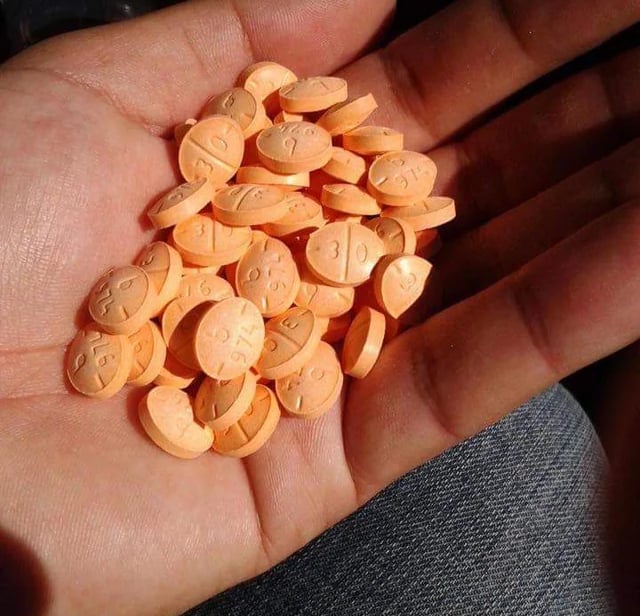
Adderall is available in multiple formulations, including both immediate-release and extended-release options, with varying dosages to accommodate different patient needs. The 30mg and 20mg formulations are particularly common among patients requiring a moderate dose to effectively manage their symptoms. Medical professionals often determine the appropriate dosage based on the patient's age, individual health profile, and specific response to the medication.
The efficacy of Adderall in treating ADHD is supported by numerous studies indicating that the medication can help improve not only attention and focus but also overall academic performance and social interactions in children and adults. Additionally, its role in managing narcolepsy involves helping individuals maintain alertness throughout their day-to-day activities, reducing the frequency and severity of sleep attacks.
In summary, Adderall has established itself as a valuable therapeutic option for individuals coping with ADHD and narcolepsy. Its various formulations and dosages, particularly the 30mg and 20mg prescriptions, ensure that patients can find an effective treatment tailored to their specific needs. As the demand for Adderall continues to grow, understanding the medication's uses and significance becomes increasingly important.
Current Supply Chain Issues Affecting Adderall Availability
The ongoing shortages of Adderall, particularly the 30mg and 20mg prescriptions, have highlighted significant supply chain dynamics in the pharmaceutical industry. Several factors have contributed to this scarcity, affecting not only patients but also healthcare providers and pharmacies reliant on these medications.
One of the primary issues is production delays. Manufacturing processes for Adderall are complicated and require stringent quality control measures due to the medication's classification as a controlled substance. Recent economic conditions, including fluctuations in the availability of raw materials and labor shortages, have exacerbated these delays. Consequently, pharmaceutical companies are struggling to meet the existing demand, resulting in reduced availability in the supply chain.
Another key element driving the shortages is the sharp increase in demand for Adderall prescriptions. Awareness and diagnosis of Attention Deficit Hyperactivity Disorder (ADHD) have risen significantly, leading to more patients seeking treatment. As a result, prescriptions for both 30mg and 20mg dosages have soared, placing additional strain on supply chains that already face constraints.
Moreover, regulatory challenges play a significant role in the availability of Adderall. The U.S. Drug Enforcement Administration (DEA) imposes strict quotas on the production of controlled substances, including Adderall, to minimize the potential for abuse. This means that even if companies wish to increase production in response to heightened demand, they are often limited by these regulations.
Experts in the pharmaceutical industry suggest that these factors are particularly disruptive for the 30mg and 20mg formulations due to their widespread use and reliance in treating ADHD. As the industry navigates these complex challenges, it remains essential for patients and healthcare providers to stay informed regarding the state of Adderall availability and alternative treatment options as they arise.
The Impact of Shortages on Patients and Healthcare Providers
The ongoing Adderall shortages, particularly concerning 30mg and 20mg prescriptions, have resulted in significant challenges for both patients and healthcare providers. For patients who rely on this medication to manage conditions such as Attention Deficit Hyperactivity Disorder (ADHD) and narcolepsy, the scarcity can lead to exacerbated symptoms, disrupted daily routines, and increased anxiety. Many individuals report difficulties in concentrating and maintaining focus, which can adversely affect their personal, educational, and professional lives.
Moreover, the frustration of attempting to obtain these essential medications can have a profound emotional impact on patients. The uncertainty of not knowing when the next refill will be available can lead to heightened feelings of stress and hopelessness. Patients may find themselves navigating complex pharmacy systems, only to discover that the medication they depend on is still unavailable. This uncertainty can also lead to a worsening of symptoms as they struggle to maintain their usual levels of functioning.
From the perspective of healthcare providers, the Adderall shortage presents a unique set of challenges. Physicians often face dilemmas when prescribing alternatives, especially if those alternatives do not provide the same efficacy or come with different side-effect profiles. This can result in frustration, as healthcare professionals want to deliver the best care for their patients but are limited by the lack of available options. Additionally, providers must navigate the delicate balance of addressing patients’ immediate needs while also educating them about the available alternatives, which may not align with their preferences or treatment goals.
Ultimately, the shortages not only disrupt treatment plans but also erode the trust patients place in the healthcare system. The emotional and psychological repercussions are complex and deeply felt by all stakeholders involved, underscoring the dire need for solutions to address medication shortages in a timely manner.
Potential Solutions and Future Outlook
The ongoing Adderall shortage, especially concerning the 20mg and 30mg prescriptions, has prompted healthcare professionals and policymakers to seek viable solutions. One approach that has garnered attention is the exploration of alternative medications for patients diagnosed with attention deficit hyperactivity disorder (ADHD). Medications such as methylphenidate and lisdexamfetamine may serve as substitutes for individuals who experience challenges due to the unavailability of Adderall. While these alternatives might not have the same efficacy for all patients, they present a necessary option during this shortage.
In addition to medication alternatives, regulatory and policy changes are essential for addressing the Adderall drought. Advocates are urging for a reassessment of the prescription quotas imposed on manufacturers, which may be inhibiting production levels to meet current demand. Streamlining the approval processes for increasing manufacturing capacities could lead to quicker resolutions. Policymakers might consider incentives for pharmaceutical companies to expand their output of ADHD medications, thereby fostering a more robust supply chain.
Furthermore, improvements in production methods can significantly affect the availability of Adderall. Manufacturers are increasingly investing in technology to enhance their production efficiency. Innovations in manufacturing processes may lead to a more consistent supply of both 20mg and 30mg doses. According to predictions from pharmacists and industry experts, stabilizing the supply of Adderall could be achievable within the next year, assuming that the aforementioned strategies are effectively implemented.
As the pharmaceutical landscape evolves, it is crucial for all stakeholders to stay informed about both the challenges and emerging solutions regarding the Adderall shortage. Keeping open lines of communication between manufacturers, healthcare providers, and patients will play a pivotal role in managing expectations and ensuring patient compliance in their treatment regimens.